Featured
Table of Contents
The treatment advised will be based upon the kind of clinical depression you have. If you have much less serious (moderate) anxiety, the complying with therapies might be recommended. If a general practitioner detects you with moderate clinical depression, they may suggest waiting a brief time to see if it improves on its own. In this situation, you'll be seen once more by the general practitioner after 2 to 4 weeks to check your development.
Your GP might recommend trying led self-help to see if it can help with your clinical depression. You'll usually have 6 to 8 sessions where you function through a workbook or on the internet course, with assistance from a therapist.
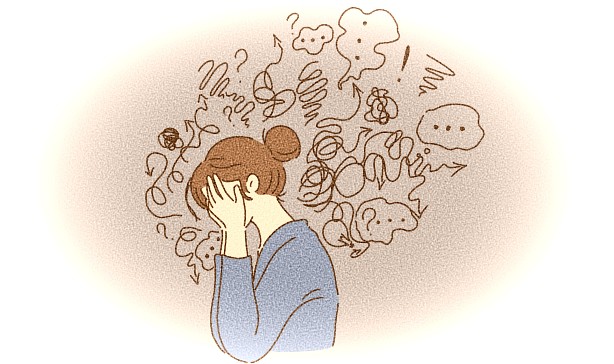
There's evidence that workout can assist clinical depression, and it's one of the primary treatments for moderate clinical depression. You might be described a team exercise course that's made to assist with anxiety. Learn more about walking for health and exercise for clinical depression. If you have light clinical depression that's not improving, you might locate a talking therapy handy.
The Neurobiology of PTSD for Treatment
A GP can refer you for talking therapies, or you can refer yourself straight to an NHS talking therapies solution without a referral from a GENERAL PRACTITIONER.
They have to be recommended by a medical professional, typically for depression that's modest or extreme. A general practitioner might advise that you take a program of antidepressants plus speaking therapy, specifically if your anxiety is fairly severe. A combination of an antidepressant and CBT normally works far better than having just one of these treatments.
These groups frequently supply intensive expert chatting treatments in addition to suggested medication. Cognitive behavioral therapy (CBT) intends to aid you recognize your thoughts and behavior, and just how they influence you. CBT recognises that events in your past might have formed you, yet it concentrates mostly on just how you can transform the method you assume, feel and act in today.
CBT is readily available on the NHS for individuals with clinical depression or any type of various other mental health issue it's been revealed to help. If CBT is recommended, you'll normally have a session with a specialist as soon as a week or when every 2 weeks. This may be a group session or an individual session.
Working Through Self-Criticism in the Context of San Francisco Therapy
See a general practitioner for additional information about accessing speaking therapies. They can refer you for local chatting treatments for clinical depression. You also have the option of self-referral. This implies that if you like not to talk with a GENERAL PRACTITIONER, you can go straight to an NHS talking treatments service. Waiting times for chatting treatments can be numerous weeks or months.
Animated video clarifying self-referral to chatting therapies solutions for stress, anxiousness or anxiety. There are many various kinds offered. Most people with moderate or severe depression benefit from antidepressants, yet not everyone does.
Neurobiological Connection in Trauma
Side effects vary between different therapies and people. Contact a GP directly away if you have any sensations of hopelessness or self-destructive ideas that start or get worse after starting antidepressants.
If they're functioning, you'll require to proceed taking them at the very same dose for a minimum of 4 to 6 months after your signs have actually reduced. If you have actually had episodes of depression in the past, you might need to remain to take antidepressants long term. You'll be reviewed at the very least two times a year to see whether you need to maintain taking them.
These side impacts generally enhance over time. SSRIs may not be prescribed for individuals with specific wellness conditions, or for kids and youths under 18 years of age. Research reveals that the risk of self-harm and suicidal practices may raise if they're taken by under-18s. Fluoxetine is the only SSRI that can be recommended for under-18s and, even then, only when a specialist has offered the consent.
Selecting Brainspotting in San Francisco for Depression and Anxiety

Antidepressants such as venlafaxine (Efexor) and duloxetine (Cymbalta or Yentreve) job in a somewhat various way from SSRIs and TCAs. They're understood as serotonin-noradrenaline reuptake preventions (SNRIs). Like TCAs, they alter the levels of serotonin and noradrenaline in your brain. Research studies have actually shown that an SNRI can be a lot more effective than an SSRI, but they can lead to a surge in blood pressure.
It's sometimes made use of with each other with various other kinds of antidepressant. This can be valuable if you have depression and troubles obtaining to sleep.
Antidepressants are not addictive similarly that controlled substances and cigarettes are, yet you might have some withdrawal signs when you stop taking them. You'll be encouraged to lower your dose gradually to assist stay clear of withdrawal signs and symptoms. These can include: a dismayed stomachflu-like symptomsanxietydizzinessvivid dreams at nightsensations in the body that seem like electric shocksIn most situations, these are fairly light and last no more than 1 or 2 weeks, however periodically they can be quite extreme.

Latest Posts
Teen Therapy for Mental Health Challenges
Cultural Expectations Within Waterloo, Ontario Couples therapy Practices
Understanding Depression and Anxiety in San Francisco